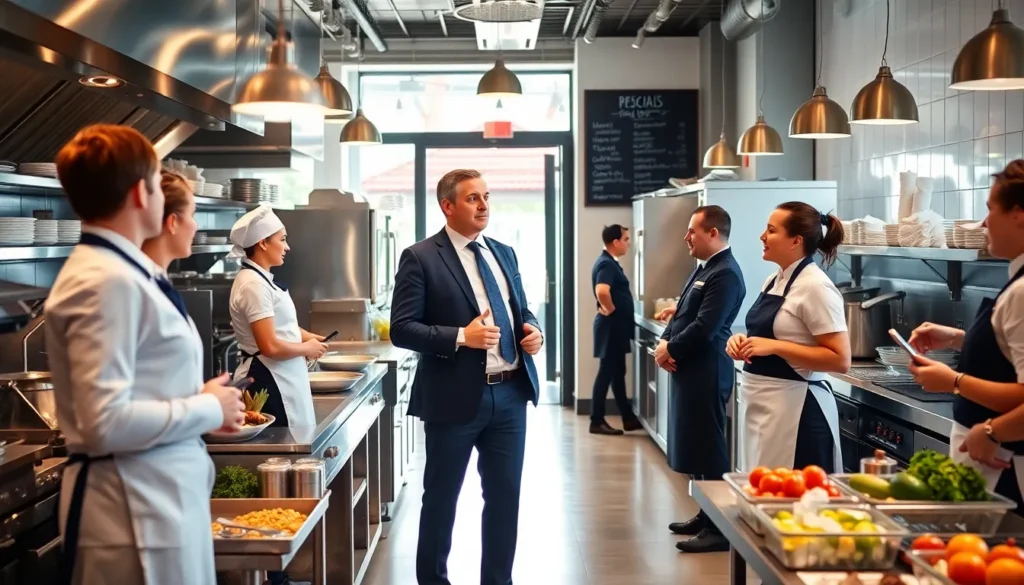
In the bustling realm of restaurants, leadership becomes the secret sauce behind memorable dining experiences. Imagine a kitchen where chaos and confusion reign supreme, not a pleasant thought, right? Effective leadership ensures that every dish emerges not only delicious but also efficiently prepared. In this text, we explore restaurant leadership lessons that can elevate any eatery from ordinary to extraordinary. With a blend of humor and sage advice, we’ll uncover what it takes to lead a successful restaurant. Grab your chef’s hat, and let’s dig into the dish.
The Importance of Effective Leadership in Restaurants

Leadership sets the tone for everything in a restaurant. When management is effective, it radiates positivity through the entire establishment. This is critical in an industry where time-sensitive environments and high-pressure situations often occur. Good leaders create an atmosphere of resilience and adaptability.
The culinary landscape is not static. As tastes evolve and trends emerge, restaurant leaders must navigate these changes adeptly. They act as beacons, steering their teams through turbulent waters, ensuring everyone remains unified with a clear vision and mission. Their ability to inspire and engage staff leads to better service, improved morale, and eventually, greater profitability.
Key Characteristics of Successful Restaurant Leaders
Successful restaurant leaders share several key characteristics that enable them to excel. First and foremost, they possess strong communication skills. This allows them to clearly convey expectations while also fostering an environment where team members feel comfortable voicing their ideas and concerns.
Possessing emotional intelligence is another crucial trait. These leaders understand the dynamics of their teams and the significance of empathy. They recognize that behind each staff member lies unique challenges and strengths.
Also, a passion for the culinary arts inspires their teams. Leaders who genuinely love food and hospitality effectively translate that enthusiasm into a thriving work culture. They lead by example, showing commitment and dedication that encourages others to follow suit.
Building a Strong Team Culture
A strong team culture is the backbone of any successful restaurant. This begins with hiring the right people from the start. While skills are essential, attitude is paramount. Restaurant leaders should look for individuals who exhibit a willingness to learn and collaborate.
Once the right folks are on board, fostering a culture of recognition and appreciation becomes essential. When staff members feel valued, they’re more likely to go above and beyond for guests. Hosting regular team-building activities can enhance relationships within the workplace, creating a level of camaraderie that translates into better service for patrons.
Communication Strategies for Restaurant Leaders
Effective communication goes beyond mere instructions: it acts as the lifeblood of a thriving establishment. Restaurant leaders should prioritize transparency with their teams. Regular staff meetings can bridge gaps, ensuring everyone stays informed and aligned with the restaurant’s goals.
Also, employing multiple communication channels is vital. Whether it’s through a group chat, bulletin board, or even a good old-fashioned whiteboard, information should flow freely. Encouraging open feedback allows employees to express their thoughts and suggestions, fostering a sense of ownership in the restaurant’s success.
Adapting to Change in the Restaurant Industry
The restaurant industry is notoriously dynamic, influenced by various factors like consumer trends, technology, and global events. Effective leaders not only embrace change but anticipate it. They remain vigilant, seeking out emerging trends that could benefit their establishments.
For instance, the rise of plant-based diets has necessitated a rapid response from many restaurants. Leaders who proactively adapt menus to reflect these societal shifts stand to benefit significantly. Staff training programs should be implemented regularly to keep team members updated on new offerings or technologies.
Case Studies: Learning from Successful Restaurant Leaders
Learning from those who have successfully navigated the ebbs and flows of the restaurant industry can provide invaluable insights. Take the case of Danny Meyer, founder of Union Square Hospitality Group. His philosophy centers around enlightened hospitality, focusing not just on customers but also on employees. He believes that if team members are happy, customers will follow.
Another shining example is Alice Waters, founder of Chez Panisse, an establishment committed to sustainable and local ingredients. Waters has been a pioneer in the farm-to-table movement, demonstrating how passion for quality can directly influence success and inspire others in the industry.