Imagine trekking through the wilderness with nothing but the essentials, no back strain, no bulky tents, just you and nature. Lightweight camping gear makes this dream a reality. Equipped with cutting-edge materials and smart designs, it enables adventurers to carry less while enjoying more. Who wouldn’t want to swap those sore shoulders for a sprightly stride? Let’s jump into what makes lightweight gear essential for any camping trip and explore how it can set you free on your next outdoor adventure.
Understanding Lightweight Camping Gear
Lightweight camping gear is designed with one mantra in mind: less is more. The essence of this category lies in the use of advanced materials and innovative designs that help campers minimize weight without sacrificing functionality. Traditional gear tends to weigh down backpacks, making long treks tiring and cumbersome. But, lightweight options allow outdoor enthusiasts to maximize their mobility while ensuring they are well-equipped for various conditions. Overall, understanding this gear requires a keen focus on material properties, weight-saving technology, and the balance between comfort and durability.
Benefits of Lightweight Gear
Choosing lightweight gear comes with a plethora of advantages:
- Enhanced Mobility: A lighter pack means greater agility on trails, allowing individuals to hike longer distances with less fatigue.
- Easier Setup: Lightweight tents typically come with fewer components, streamlining the setup and takedown process, which is a major plus at the end of a long day of hiking.
- Improved Experience: By carrying less, campers can focus on enjoying their surroundings rather than becoming bogged down by their equipment.
- Versatility: Many lightweight options double as multiple tools, like a sleeping bag that can be used as a blanket or a cooking pot that can be used for storage.
- Fuel Efficiency: When hiking with lightweight gear, not only do you tire less, but you also require less food and water for energy, which translates into an even lighter load.
With all these benefits, it’s clear why lightweight gear is becoming the go-to choice for modern-day adventurers.
Essential Lightweight Camping Equipment
When it comes to lightweight camping, several pieces of equipment stand out:
Shelter
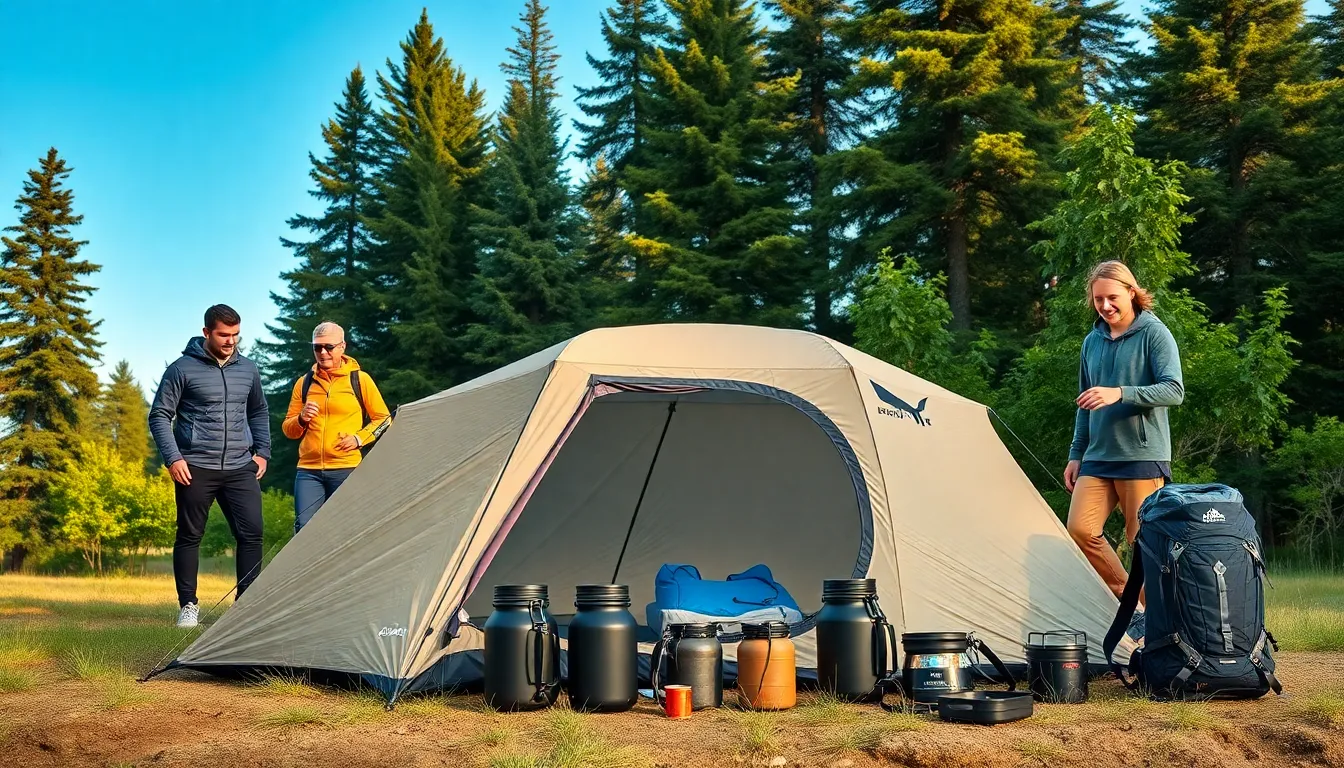
Opt for lightweight tents that weigh significantly less than traditional models. Look for materials like ripstop nylon or polyester, which provide durability without the bulk. Consider a hammock if you’re camping in a tree-rich area.
Sleeping Gear
A quality sleeping bag is a must. Look for insulated options that pack down small but still offer warmth. An inflatable sleeping pad adds comfort without weighing you down.
Cooking Equipment
Stoves designed for lightweight camping pack efficiently and often come with multi-use functionality. Ultralight cookware can revolutionize meal prep on the trail.
Backpack
A specialized lightweight backpack can hold necessary gear without adding undue weight. Ensure the fit is comfortable and adjustable: it can make a world of difference on your trip.
Clothing
Opt for moisture-wicking, lightweight layers. Merino wool and synthetic fabrics excel in providing warmth without bulk.
Choosing the Right Lightweight Gear
Selecting the right lightweight gear involves understanding the specific needs and preferences of the camper:
- Assess Activity Type: Different camping styles, from casual backpacking to intense hiking excursions, require different gear. Know your activity.
- Consider Climate: Lightweight does not mean compromising on warmth or protection. Choose gear suitable for the expected weather conditions.
- Review Portability: Look for items that can compress down neatly for easier packing. Many brands now produce gear that packs small yet performs big.
- Prioritize Quality: While the market is filled with budget options, investing in well-rated brands may pay off in durability and performance.
- Read Reviews: Insights from other users can guide decisions significantly. Check forums and outdoor retail websites for feedback.
Packing Tips for Lightweight Camping
Maximizing space while minimizing weight involves tactical packing. Start with these tips:
- Use Stuff Sacks: Organize gear into stuff sacks. This technique saves space while keeping equipment easily accessible.
- Choose Compression Sizes: Compression sacks can help reduce the bulk of sleeping bags and clothing.
- Plan Meals Cleverly: Bring lightweight, calorie-dense food items to reduce food weight. Dehydrated meals are often a camp favorite for their convenience and nutrition.
- Wear Layers: Instead of packing bulky clothing, wear multiple lightweight layers to stay warm.
- Pack Smartly: Distribute weight evenly in your backpack and keep heavy items close to your back for better balance.
Innovations in Lightweight Camping Gear
Recent innovations in lightweight camping gear make the outdoors more accessible and enjoyable:
Sustainable Materials
Many brands are shifting to eco-friendly materials, offering lightweight products that reduce environmental impact without compromising quality.
Smart Technology
From solar-powered gear to tents with built-in charging panels, technology is merging with camping gear for smarter solutions.
Modular Systems
Gear that can be easily upgraded or modified allows campers to tailor their setup to specific needs, adding a new layer of functionality without unnecessary bulk.