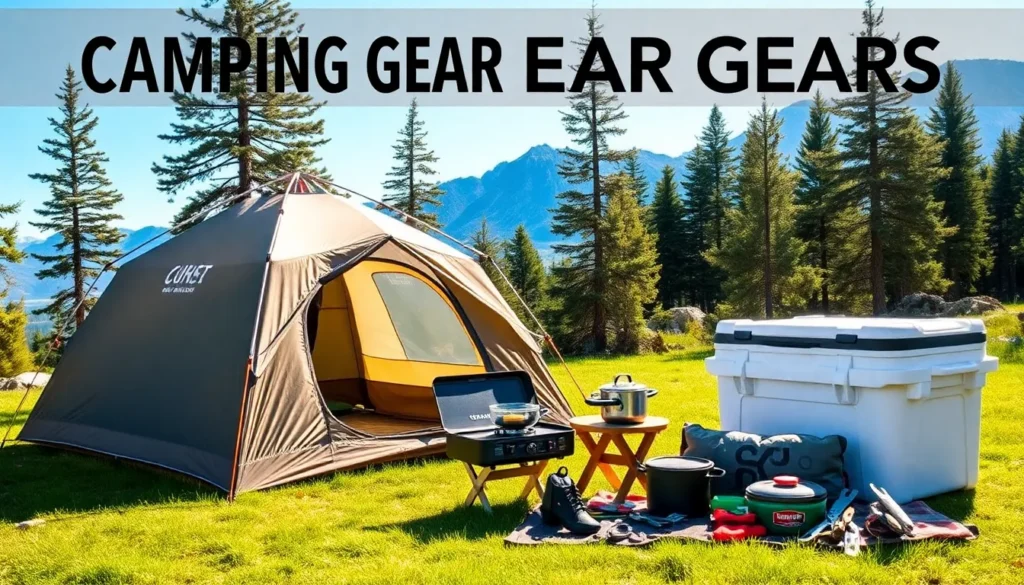
Planning a camping trip? Forget your usual worries about getting eaten by bears or losing your car keys in the woods. With the right camping gear, your biggest concern might just be whether you packed enough marshmallows for s’mores. This guide will expertly navigate through essential gear to ensure you’re more prepared than a seasoned scout on a survival mission. Let’s immerse and turn you into a gear guru.
Essential Camping Gear
Shelter and Sleeping Gear
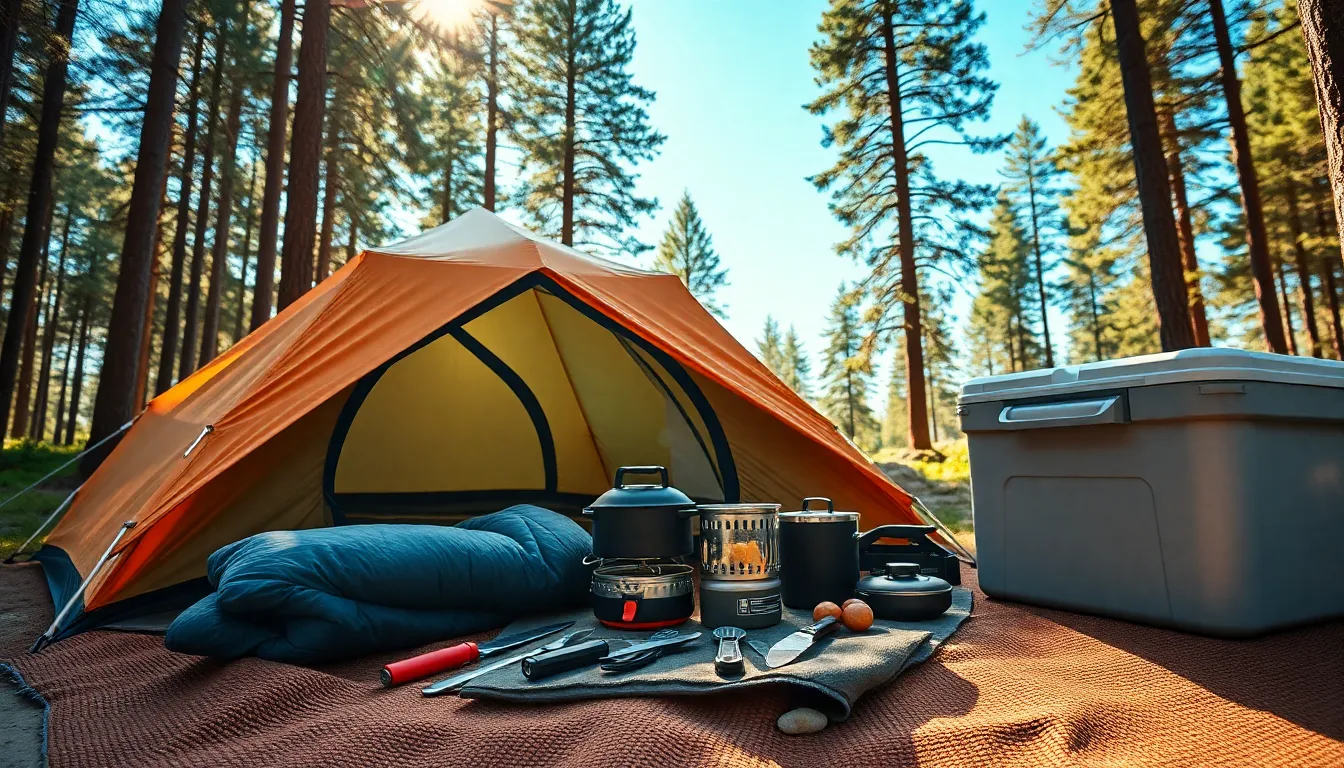
First things first: shelter. A good tent can mean the difference between a refreshing night’s sleep under the stars and a disastrous sleep with questionable wildlife encounters. Look for a tent that suits your group size, is easy to set up, and can withstand weather elements. Consider options like:
- Three-Season Tents: Designed for spring, summer, and fall camping, keeping you cozy and ready for whatever nature throws at you.
- Four-Season Tents: Perfect for those winter adventures, reinforcing strength for harsh conditions.
Once you’re properly sheltered, you need somewhere comfy to lay your head. Sleeping bags should be suited for the season, and a sleeping pad can transform your experience from sleeping on the cold, hard ground to feeling like royalty. Look for bags with good insulation ratings, something around 20°F should do for most occasions.
Cooking and Food Preparation Equipment
Camping cuisine doesn’t have to mean stale granola bars and lukewarm hot dogs. With some essential cooking gear, meals can become the highlight of your trip. Key items include:
- Portable Stove: Gas stoves are lightweight and efficient, making them ideal for quick meals.
- Cookware Set: Look for something compact that includes pots, pans, and a grill, optimizing space.
- Utensils and Cutlery: Pack multi-tools, a spatula, and a trusty knife. Having the right tools makes cooking feel a little less like survival and more like a cozy picnic.
- Coolers: Keeping your food fresh is crucial. Invest in a good cooler and consider ice packs or dry ice for extended stays.
Clothing and Footwear
Even the best camping gear can’t save you from getting uncomfortable if you don’t dress appropriately. When picking clothing and footwear, consider the climate and terrain. It’s best to layer.
- Base Layer: Moisture-wicking fabrics help keep sweat away from the skin, crucial on humid days.
- Insulating Layer: Fleece or down jackets can provide warmth when temperatures drop.
- Outer Layer: A waterproof and windproof shell will keep you dry and comfortable.
Footwear is equally important. Proper hiking boots or shoes can prevent blisters and keep you going strong. Look for options with good grip and waterproof qualities. Don’t forget a pair of sandals for downtime at the campsite.
Outdoor Tools and Accessories
When adventures get rough, the right tools can be your best friends. Consider bringing these essentials with you:
- Multi-tools or Swiss Army Knife: These handy tools are perfect for a variety of tasks, from food prep to gear repairs.
- Headlamp: Hands-free lighting is invaluable when the sun sets. Look for a lightweight and bright model with adjustable brightness.
- Rope or Paracord: Great for repairs, hanging clothes, or securing items. It’s a versatile item that is often overlooked.
Beyond tools, basic accessories like a compass and durable water bottles should be on the list. Staying hydrated while wandering is key.
Safety and Navigation Gear
Navigating the wild can feel intimidating, especially for beginners. Equip yourself properly to ensure every adventure is safe.
Camping Gear for Different Environments
For those heading to the mountains, bear-proof storage can make a big difference. Likewise, if the plan includes hiking in dense forests or deserts, different gear becomes necessary. Essentials may include:
- Bear Canisters: These sturdy containers protect your food while deterring bears and other critters.
- First Aid Kit: A must for any camping trip. Stock it with bandages, antiseptic wipes, and pain relievers. It’s always better to be safe than sorry.
- GPS Device or Maps: While smartphone apps can be handy, having a physical map and a GPS for backup can prevent getting lost.
Tips for Choosing the Right Gear
Choosing the right camping gear can feel overwhelming, but it helps to keep a few tips in mind:
- Know Your Destination: Understand the weather patterns and terrain characteristics. This knowledge helps narrow down gear choices considerably.
- Consider Your Group Size and Needs: Tailor your gear to fit not just your camping style, but those of fellow campers.
- Test Gear Beforehand: Don’t wait for the trip to see if your tent has holes. Set it up at home, and practice using your cooking gear to build confidence.